Dutch Comfort Foods: The Enduring Charm of Pap & Poffertjes
The Netherlands, a nation renowned for its picturesque canals and vibrant tulips, also boasts a rich culinary heritage, much of which revolves around simple, wholesome ingredients. At the heart of this tradition lie comforting dishes often characterized as an "Oud Hollands Gerecht Van Melk Bloem En Suiker" – an old Dutch dish of milk, flour, and sugar. These foundational elements, readily available and historically economical, have given rise to a variety of beloved comfort foods, none more iconic than the diverse world of ‘pap’ (porridge) and the delightful 'poffertjes' (mini pancakes). These aren't just recipes; they are edible threads connecting generations, evoking nostalgia and offering a taste of Dutch coziness that transcends time.
The Heart of Dutch Comfort: Exploring 'Pap' (Porridge)
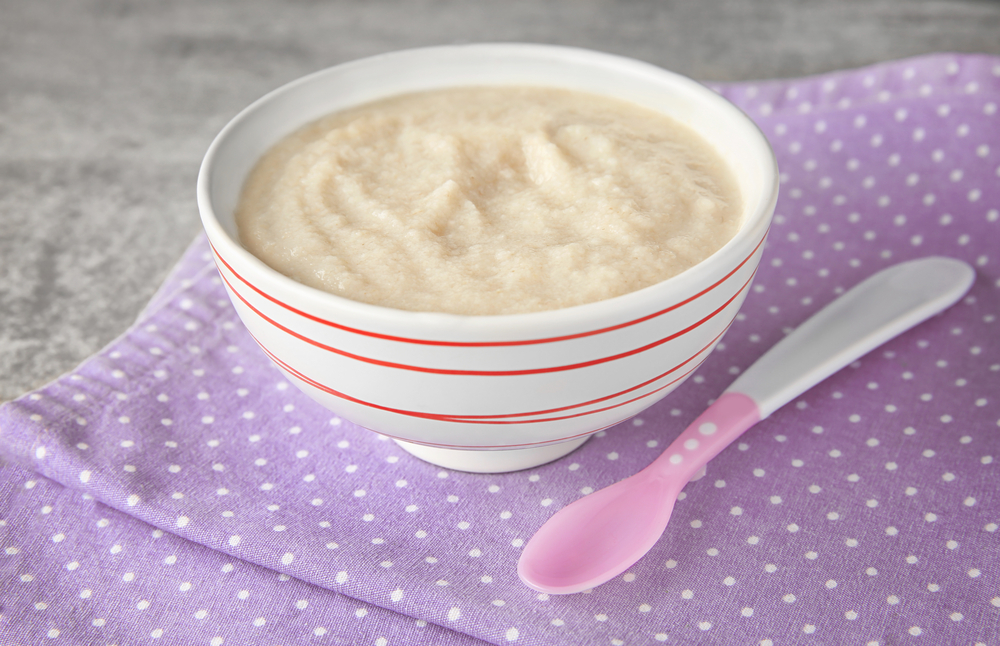
Before modern cereals and quick breakfasts, 'pap' was a staple in Dutch households, providing sustenance and warmth. This simple porridge, essentially grains cooked in milk (or sometimes water), has countless variations, each offering a unique texture and flavor profile, yet all sharing the common thread of being an "Oud Hollands Gerecht Van Melk Bloem En Suiker" at its core.
Historically, pap was an everyday affair, a humble meal that fueled workers and fed families. While its role as a daily breakfast has somewhat diminished, it holds a special place as a treasured comfort food, often bringing back fond memories of childhood and simpler times. The foundational concept remains: take a grain, cook it slowly in milk until creamy and soft, then sweeten it to perfection.
Among the most traditional types is
Gortepap, made from pearl barley. This hearty porridge offers a satisfying chewiness and a wholesome, slightly nutty flavor that stands up well to a dusting of sugar or a knob of butter.
Rijstpap, or rice pudding, is another classic, celebrated for its smooth, creamy consistency. Made with short-grain rice cooked until tender in milk, it's often flavored with cinnamon and served warm, a truly comforting treat. Beyond these, you'll find other beloved variations like
Griesmeelpap (semolina porridge), known for its wonderfully smooth and delicate texture, making it a particular favorite among children, and
Havermoutpap (oatmeal porridge), which has seen a resurgence in popularity due to its recognized health benefits. Each type of pap, in its own right, embodies the rustic charm and comforting simplicity that defines traditional Dutch cooking.
Lammetjespap: A Glimpse into the Past
Within the expansive family of Dutch porridges, one peculiar variant stands out for its intriguing name and historical significance:
Lammetjespap. Translating literally to "lamb's porridge," this "Oud Hollands Gerecht Van Melk Bloem En Suiker" is a true relic of Dutch culinary history, less commonly found today but still cherished by those who remember it.
Lammetjespap is perhaps the epitome of simplicity: a basic blend of milk, flour (or meel), sugar, and a pinch of salt. The preparation involves stirring flour into a portion of milk to create a smooth paste, then slowly incorporating it into gently simmering milk, cooking it until thickened. Traditionally, it was served warm with a generous sprinkling of brown sugar (basterdsuiker) or a drizzle of honey.
The historical context of Lammetjespap is fascinating. It was often given to children as a gentle transition food after breast milk, perhaps due to its simple ingredients and easily digestible nature. The reference notes its taste as "zwak, ziekelijk" (weak, sickly), which might sound unappetizing today, but likely referred to its mild, unchallenging flavor, ideal for delicate stomachs. Its name, "Lammetjespap," first documented in 1717, remains a charming mystery, with no definitive origin story. Despite its near-forgotten status, for many, the mere mention of Lammetjespap stirs deep feelings of nostalgia, connecting them to generations past. To delve deeper into this unique piece of heritage, explore
Lammetjespap: Rediscover This Classic Old Dutch Porridge.
Poffertjes: Sweet Mini Pancakes of Tradition
Moving from the soothing warmth of pap to a more celebratory treat, we encounter
Poffertjes – small, fluffy Dutch mini pancakes that are another delightful example of an "Oud Hollands Gerecht Van Melk Bloem En Suiker." While also made from milk, flour, and sugar, poffertjes elevate these ingredients into something distinctly special, thanks to the addition of eggs and, crucially, yeast.
Unlike their larger, flatter pancake cousins, poffertjes are characterized by their plump, airy texture and diminutive size. The yeast in the batter is key to their signature rise, giving them a light, slightly spongy interior and a beautifully golden-brown exterior. Traditionally, these charming little pancakes are cooked in a special cast-iron pan with multiple shallow indentations, ensuring their uniform round shape.
Poffertjes hold a special place in Dutch festive traditions, particularly associated with Christmas Eve. However, their appeal is so widespread that they are now enjoyed year-round at fairs, markets, and specialty stalls. Served piping hot, they are typically adorned with a generous dusting of powdered sugar, a swirl of melted butter, and often a drizzle of stroop (Dutch syrup) or a dollop of whipped cream. Eating poffertjes is an experience – a communal pleasure, a sweet indulgence that brings joy to both young and old.
The Simple Magic: Why These Dishes Endure
The enduring charm of these Dutch comfort foods lies not just in their taste, but in their simplicity, accessibility, and the sense of tradition they embody. The fact that dishes like pap and poffertjes are fundamentally an "Oud Hollands Gerecht Van Melk Bloem En Suiker" speaks volumes about their humble origins and universal appeal. These basic ingredients were always within reach, making these dishes affordable and easy to prepare for even the most modest households.
Today, their allure is magnified by nostalgia. In an age of complex cuisines and fast-paced living, the straightforward goodness of a bowl of warm pap or a plate of fluffy poffertjes offers a comforting embrace. They represent a connection to heritage, a taste of 'thuis' (home), and a reminder of grandmother's kitchen.
For those eager to recreate this magic at home, the beauty is in the minimal fuss. While specific recipes vary, the core principles remain constant: patience in cooking the grains for pap until tender, and allowing poffertjes batter to rise properly for that characteristic fluffiness. Don't be afraid to experiment with toppings – fresh fruit, nuts, or chocolate can add a modern twist to these timeless classics. Embrace the process, and you’ll discover not just a meal, but a piece of Dutch cultural heart. For more insights into traditional Dutch sweets featuring these core ingredients, take a look at
Traditional Dutch Sweets: Milk, Flour, and Sugar Recipes.
The simple yet profound combination of milk, flour, and sugar forms the backbone of some of the most cherished "Oud Hollands Gerecht Van Melk Bloem En Suiker." From the gentle warmth of various paps that soothe the soul, to the delightful sweetness of poffertjes that spark joy, these dishes transcend mere sustenance. They are culinary anchors, rich in history, comforting in flavor, and eternally charming. So next time you seek a taste of genuine Dutch comfort, remember the humble origins and delightful possibilities of these time-honored treats.